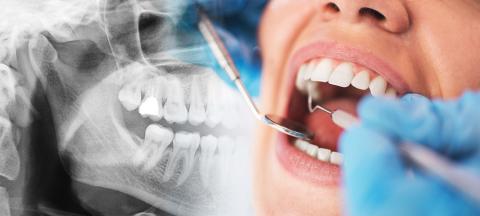
Dentistry blends clinical precision with hands-on problem solving and relationship-centered care. Dentists diagnose and treat conditions affecting the teeth, gums, and oral structures, and many build long-term relationships with patients over years. If you like tangible outcomes, patient education, and a career that combines science with fine motor skill and artistry, dentistry is worth exploring.
Content Areas | RPI Courses |
|---|---|
Biology w/Lab (2 Semesters) |
|
Chemistry w/Lab (2 Semesters) |
|
Organic Chemistry w/lab (2 Semesters) |
|
Physics w/Lab (2 Semesters) |
|
English (2 Semesters) |
|
Many dental schools also strongly encourage applicants to take arts and social science courses. Some dental schools may also require or recommend one semester of one or more of the following content areas: Anatomy, Physiology, Microbiology, Biochemistry, Genetics, or Statistics. Some dental schools may substitute one semester of biochemistry for the second semester of organic chemistry. This list is not exhaustive and many courses could satisfy these content areas. Be sure to verify the content area requirements for the specific schools you are interested in. You can find this information on their program websites as well as ADEA’s Official Guide to Dental Schools.
Applications are submitted through the ADEA AADSAS (ADEA Associated American Dental Schools Application Service) or TMDSAS (Texas Medical & Dental Schools Application Service) for programs in Texas. Applicants are also required to take the DAT (Dental Admission Test). Applications consist of applicant identifying information, transcript information, experiences descriptions, a personal statement, letters of evaluation, and school-specific questions, essays, forms, and documents. Select applicants are then invited to interview with program Admission Committees (AdComs).
