Interested in gaining a Quantum Advantage? RPI is uniquely positioned to help you get there!
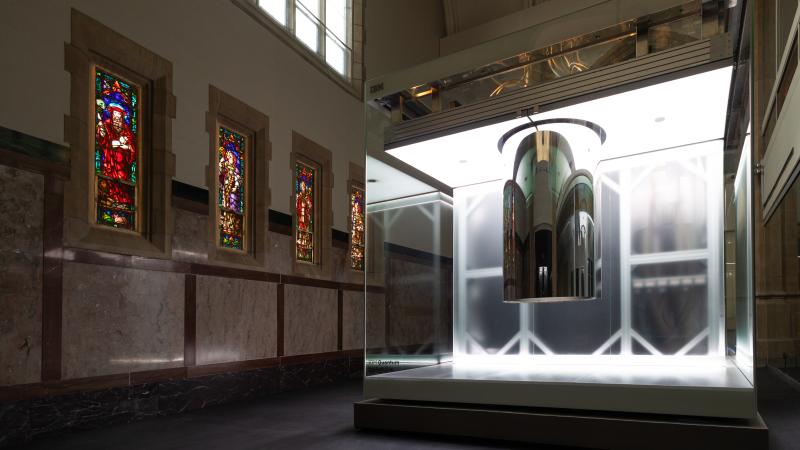
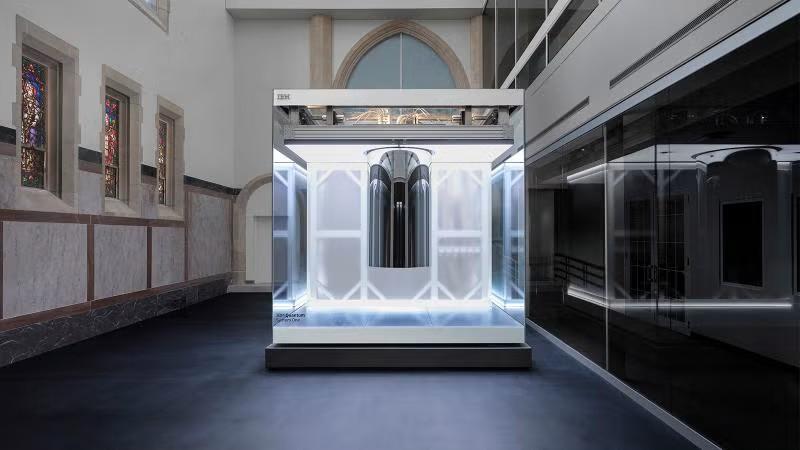
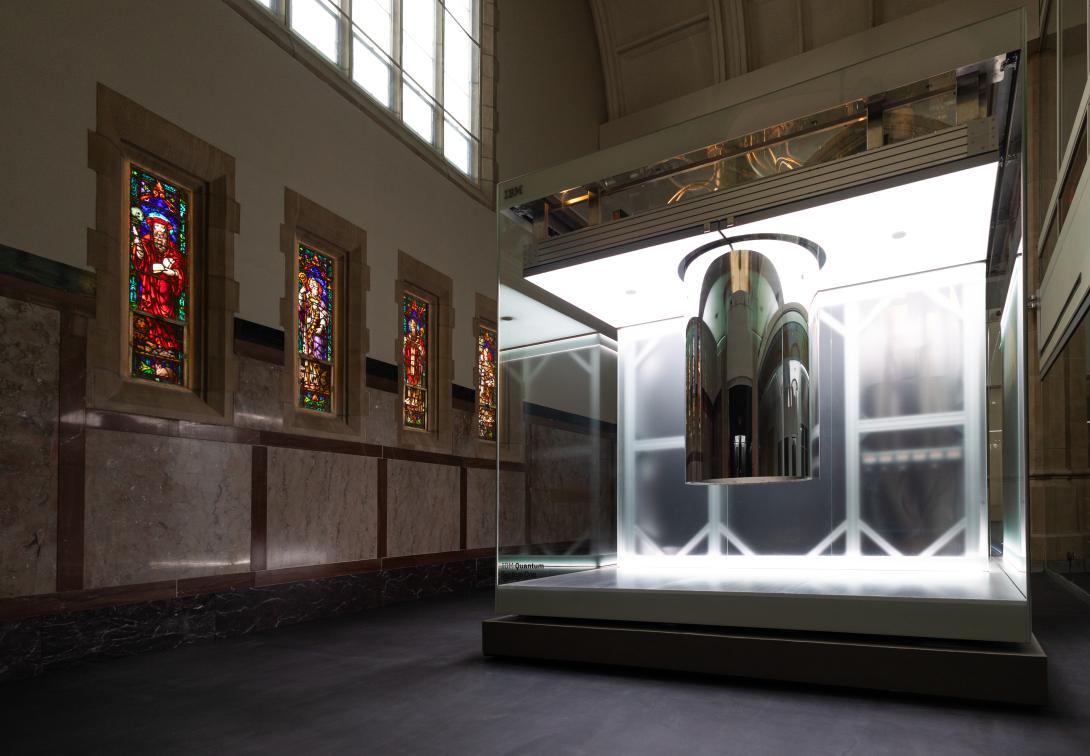
RPI currently houses the IBM Eagle with a 127-qubit quantum processor which features breakthrough packaging technologies for enhanced qubit control and scalability using heavy-hex connectivity and 140 couplers. Originally installed in April 2024, it is the World’s first IBM Quantum System One on a university campus.
As of August 15, 2026, the system was upgraded to a IBM Nighthawk system which boasts 120 qubits, 218 couplers, record-breaking coherence, and a new square lattice designed to enable greater complexity in quantum circuits.
Gaining access to the Quantum Computer
RPI’s quantum computer is available for use by all RPI community members free of charge as well the IBM Premium Quantum Cloud resources. Click here to learn how to create an account and access the RPI Quantum System One.
Quantum Computing Education
RPI, in collaboration with IBM, offers many resources to get you started on learning to program quantum computers.
A great place to start is the Learning Hub at IBM.
Additional resources are listed at the DotCIO site.
School of Science and RPI in general offers many courses in quantum computing in addition to the foundational Physics courses on “Quantum Physics” and “Quantum Mechanics”.
Here are a few of the courses, but there are many new offerings every semester. sure to check out the course catalog or Quacs.org for listings.
- PHYS 4665 - Quantum Computing and Information: As an introductory overview of the field of quantum information science, this course covers the basic concepts of quantum computation and information, including entanglement and quantum communication, quantum circuit models, quantum algorithms/simulation, as well as gain an understanding of physical implementations of qubits and practical concerns (e.g, decoherence and error-correction).
- CSCI 4620/6964 – Quantum Computer Organization: This course introduces quantum computing through the lens of classic CS computer organization and software engineering to learn how to design and implement the abstractions that connect low-level hardware with high-level applications, forming the essential layers of the quantum computer and its associated software stack, implement foundational data structures for quantum computing, as well as key quantum algorithms in software, explore workload optimization, compilation, error mitigation, result validation and resource management in quantum systems, and gain experience with modern quantum programming frameworks and hardware backends.
- CSCI 4610/6610 - Computing and Quantum Computing: A course on computing and quantum computing emphasizing the theory and foundations. The course begins with advanced topics in the theory of computing (Turing Machines, undecidability, complexity and Boolean circuits, NP-completeness). The course then covers the foundations of Quantum Computing addressing the fundamental questions of “What is quantum computing and how do we do it?” before moving on to exploring quantum algorithm design by covering standard design techniques as well as the quantum algorithms for gatekeeper problems (quantum search, quantum counting, quantum approximate optimization, quantum machine learning, etc.).
- MATH 6890 - Numerical Methods for Quantum Computing: Advanced methods and/or applications in scientific computing. Possible topics include computational fluid dynamics, parallel computing, computational acoustics, and computer applications in medicine and biology.
- CSCI-4963 Distributed Quantum Computing: This course explores the emerging field of distributed quantum computing, where information is processed and shared across interconnected quantum systems. The course will cover three broad areas: quantum networks and their applications; distributing quantum programs; and hybrid quantum-classical computing.
Do you want to learn the basics of quantum computing and gain the Quantum Advantage? All students at Rensselaer Polytechnic Institute can obtain a Minor in Quantum Computing. The quantum minor requires two fundamental courses and two elective courses in Quantum Computing. The description of the minor and the list of courses can be found in the Course Catalog. This link is for the minor in the AY 2025-26 catalog, but each student should follow the catalog for their year of entry.
Note that there are many special topics courses related to Quantum Computing offered every semester and these may also count towards the minor. Please contact the ScienceHub for any questions and approval of the minor for your degree.
Do you want to obtain an M.S. degree in Computer Science and venture into the job market with a Quantum Advantage?
If you have a background in Computer Science, you can deepen your knowledge of quantum computing with an M.S. degree. Starting with AY26-27, you can follow the Quantum Computing track for the M.S. in Computer Science. No prior knowledge of Quantum Computing is required. Details of the track can be found on the Computer Science website.
A new MS program in Quantum Computing is under development. Check out also some of the research going on in the School of Science in this area with some highlights below. Also follow our news stories for other research projects.
RPI Quantum Computing Club
Do you want to meet with other students who are excited about quantum computing? Learn about and help organize on-campus events like guest lectures and quantum-themed hackathons?
If you are an RPI student, join the Quantum Computing Club discord for more info.
Summer Undergraduate Research Opportunities
There are many opportunities for undergraduates to pursue research in quantum computing for credit or for pay. In addition to paid research opportunities by externally funded research of faculty, School of Science also funds many projects through the Summer Undergraduate Research program for Quantum Computing and AI. Watch your email for announcements.
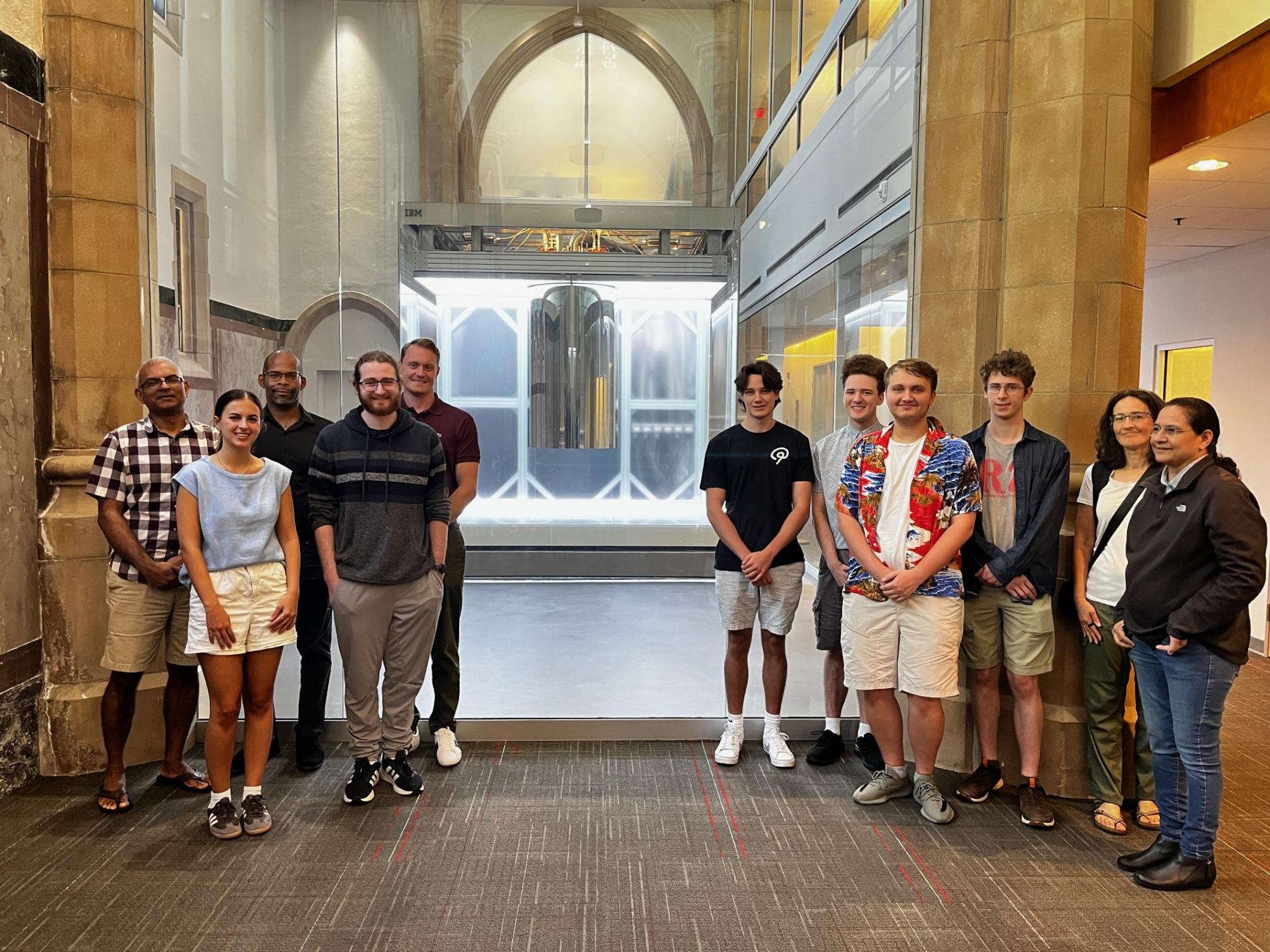
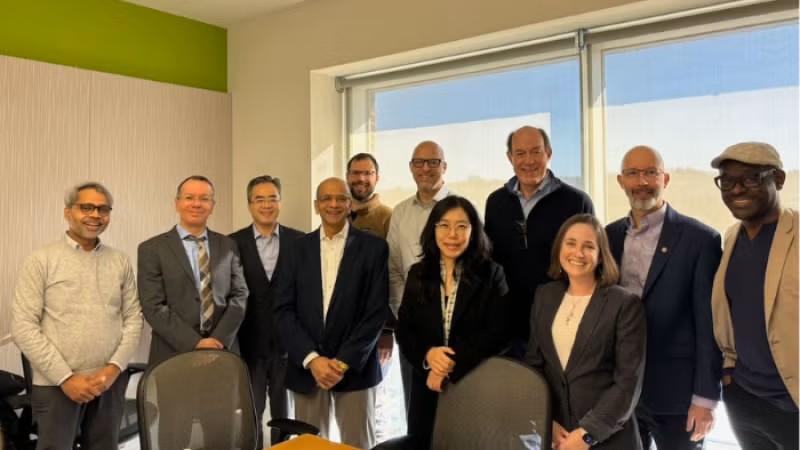
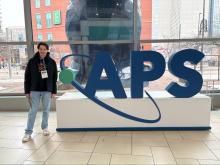
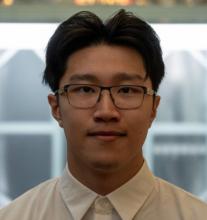
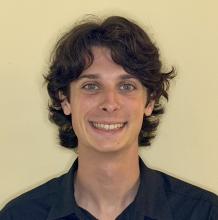
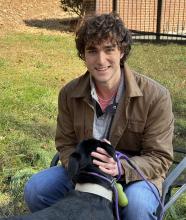
Students funded by the 2025 School of Science Summer Undergraduate Research Program in Quantum Computing
Student Spolights


Faculty Highlights