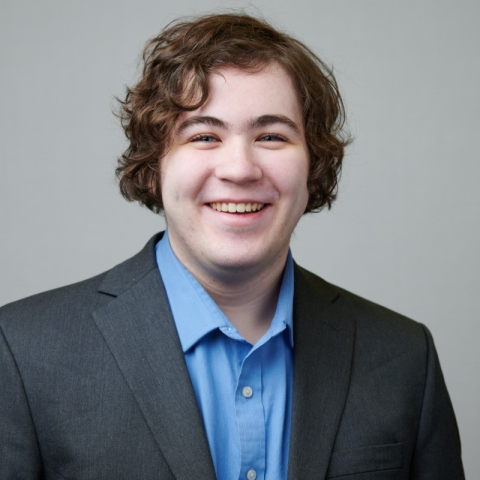
My undergraduate research experience at RPI was an important part of my path toward graduate school. I began working with Professor Trevor David Rhone on machine learning for materials discovery, but after I shared my growing interest in quantum computing and my desire to study it in graduate school, he suggested that we explore a project in that area. Together, we shifted to studying how correlations develop in quantum materials under different field and interaction strengths. Using the J1-J2 Heisenberg model as a physically motivated test case, we explored these questions on RPI’s quantum computer. That experience gave me a much clearer understanding of what research looks like beyond the classroom. I learned how noise affects near-term quantum computers, how quantum circuits are compiled and used to simulate physical systems, and how to communicate results through papers, presentations, and the peer-review process. It also gave me valuable practical experience that helped me decide whether research was the right path for me. Working with Professor Rhone also helped me think more carefully about graduate school, choose a research direction, and understand what makes for a strong advisor-student fit. Now, as an Applied Physics PhD student in Or Katz’s group at Cornell studying ion-trap quantum computing, I use many of those same skills every day: reading and evaluating the literature, thinking critically about possible research directions, interpreting experimental results, and conveying research findings. My RPI research experience made the transition into a PhD much smoother and helped me find a graduate program and research direction that continue to excite me.
